
When the fire was not in your chimney
A brush fire in the hills east of Tustin does not need to reach your street to reach your house. Wind carries ash and live embers a long way, smoke settles into every opening, and the chimney is the largest opening most roofs have. Weeks later owners notice a campfire smell in the living room, grey grit in the firebox, or a fireplace that suddenly smokes back into the room.
Not every house needs a visit after a wildfire. This post sorts the cases: when one is worth paying for, which visit to order, and what each costs with us.
What smoke, ash and embers do to a chimney
Ash clogs screens. The mesh around a chimney cap is fine enough to stop embers, which means it also traps ash and burned leaf fragments. A coated screen chokes the draft. The first fire after a wildfire is often when owners find out, with smoke in the room.
Ash and water make a caustic paste. Dry ash is a nuisance. Wet ash is alkaline and hard on metal. After the first rain or a few foggy mornings it goes to work on galvanized caps, chase tops and the metal where roof meets chimney.
Embers land where they can. A cap with a torn or missing screen lets them into the flue. A factory-built chimney with a rusted, sagging top collects them alongside dry leaves. Most go out. The ones that do not are the reason screens exist.
Smoke odor moves in. Soot particles settle on the flue walls and the smoke shelf. When the house is closed up and a kitchen or bath fan runs, air is pulled down the chimney and brings the smell with it.
Which visit fits which situation
| What you notice | Visit to order | Price |
|---|---|---|
| Ash on the roof, no other symptoms, fireplace seldom used | Level 1 check of cap, screen, firebox and visible flue | $160 |
| Smoke smell indoors, grit in the firebox | Sweep, including the smoke shelf and cap screen | from $395 |
| Embers seen on your block, scorch marks near the top, or a claim planned | Level 2 with video and roof photos | $370 |
| Screen torn, cap missing or rusted through | Replacement cap, fitted | quoted after we measure |
The $370 inspection is the one to choose when you intend to file an insurance claim for smoke or ember damage, because it produces the dated photos an adjuster expects. Our post on claim paperwork explains the file.
The cap is the part that matters most
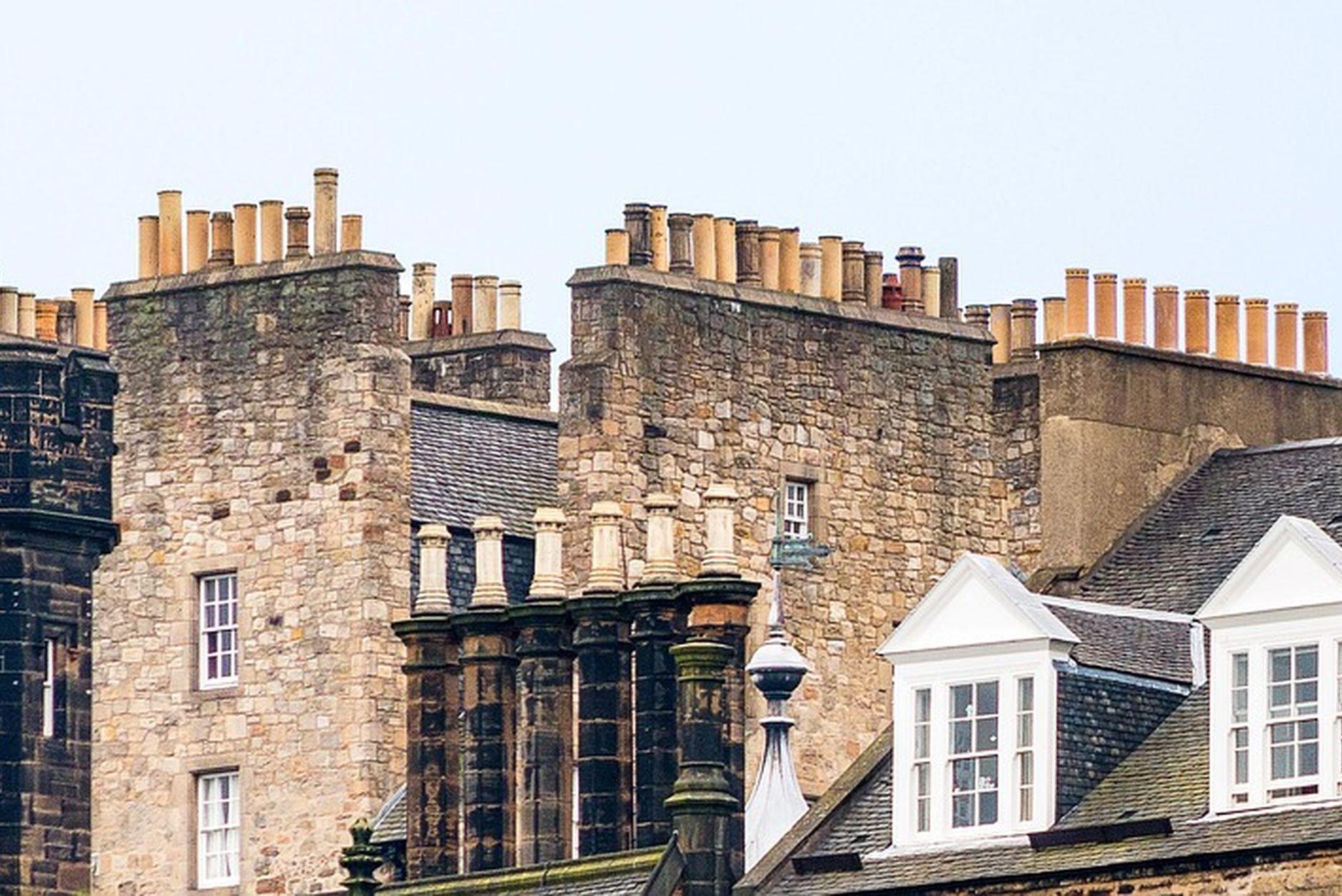
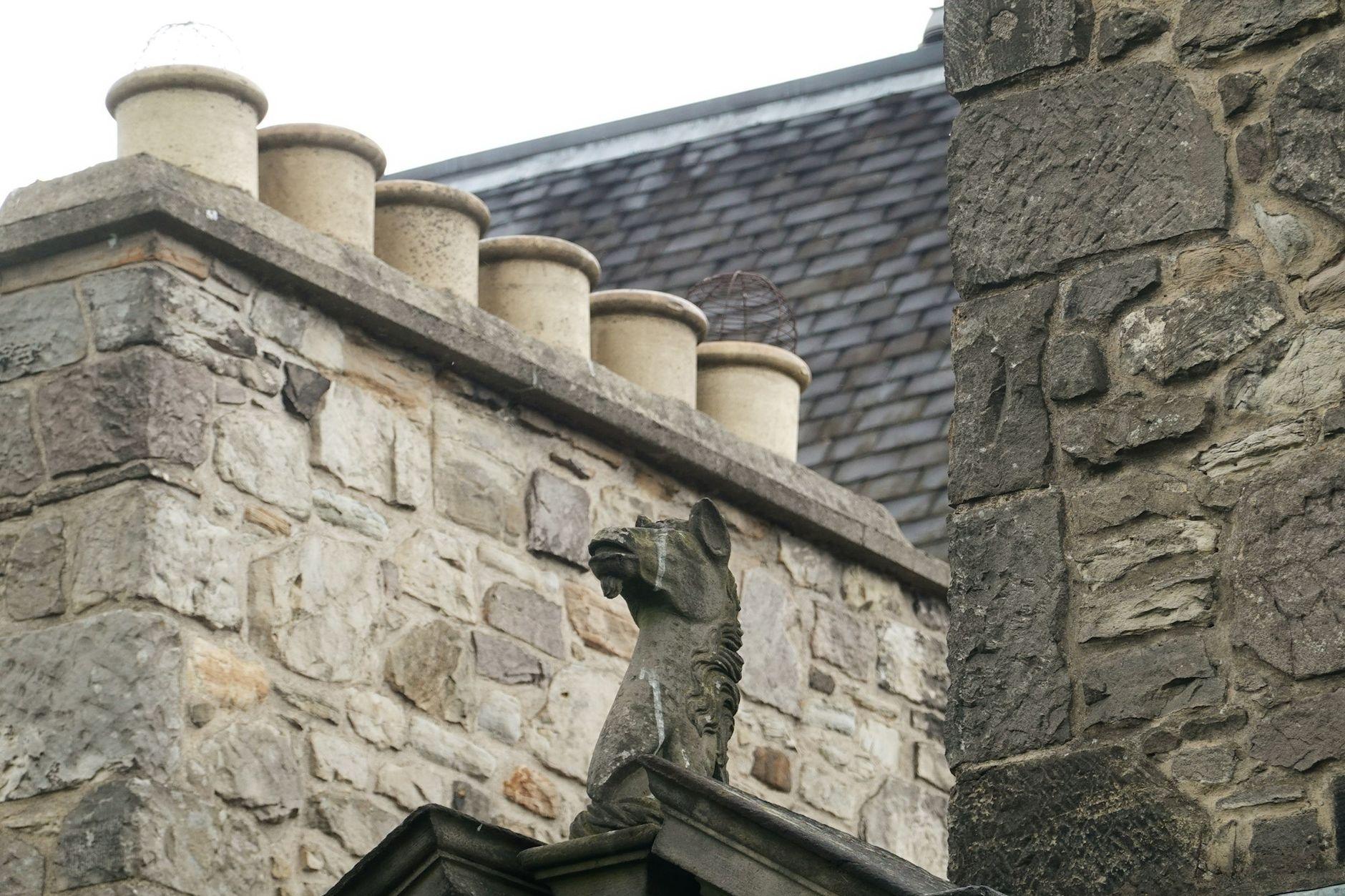
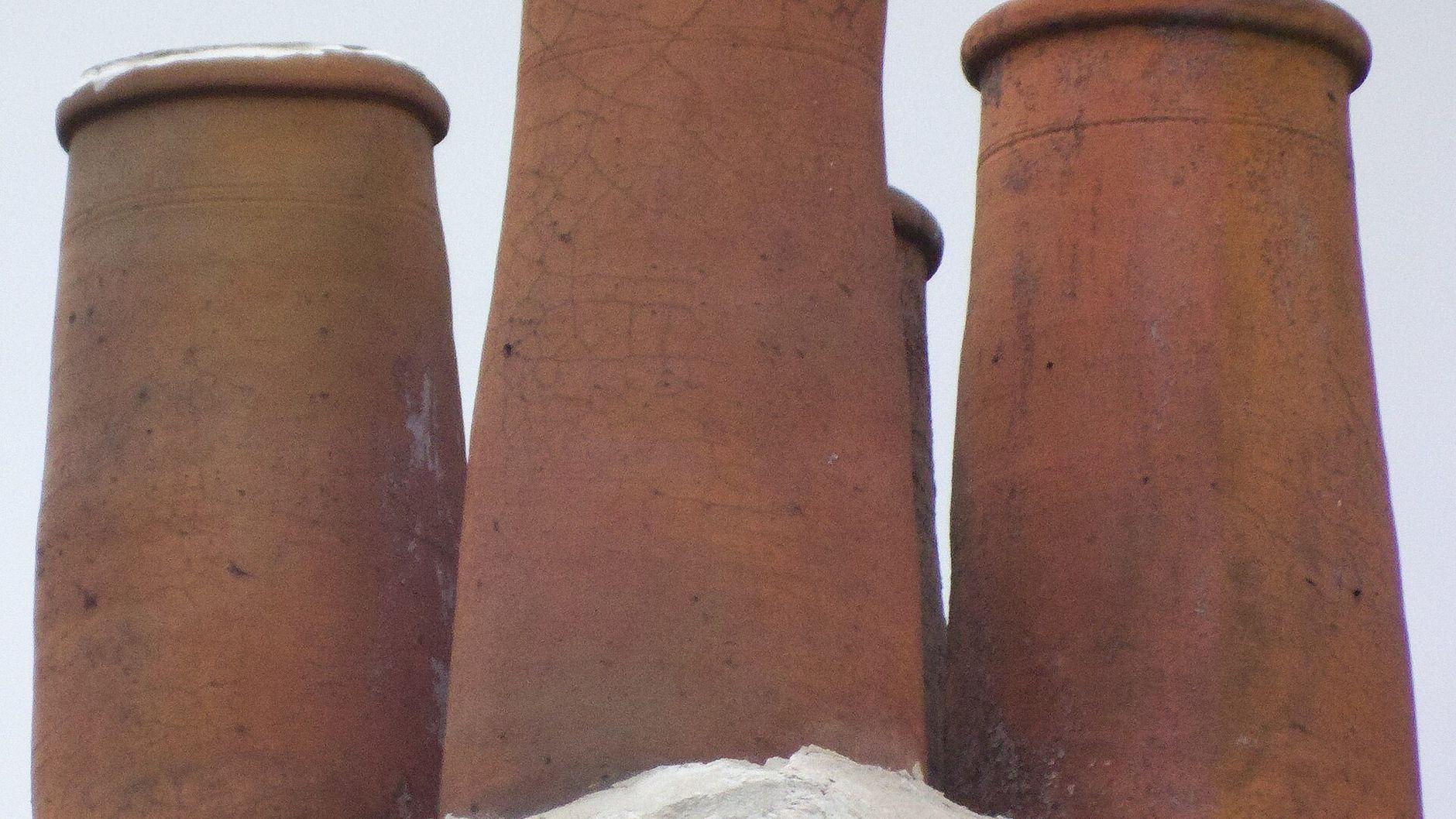
If we could do one thing on every roof after a wildfire, it would be to check the cap. It is the ember barrier, the rain cover and the animal guard in one piece, and it is the part owners can least see from the yard.
A new cap is quoted after we measure. What sets the price is simple. A single-flue stainless cap is the simplest job. Copper costs more than stainless. A custom cover spanning a wide top with several flues, or one made to suit the look of a Spanish-style stack, is the biggest job. We measure on the roof and give the exact figure before ordering anything.
Galvanized caps deserve a special mention. They are common on older Tustin houses, they rust once the zinc coating wears through, and wet ash hurries that along. If yours is galvanized and has seen more than a few winters, expect us to recommend stainless.
Not sure what is on your roof? Tell us what the chimney top looks like from the yard and whether the fireplace has smoked since the fire, and we will suggest the right visit.
Factory-built chimneys and their tops
Many newer houses and most condos around Tustin have a metal flue inside a framed, stucco-covered box, closed at the top by a sheet-metal cover. That cover is a weak point after a wildfire for two reasons. Flat ones hold ash and leaves in a damp mat against the metal. Rusted ones have holes that admit embers into a wooden box.
Replacing a worn cover is one of the more worthwhile repairs on this kind of chimney. Each one is made to fit, so we measure and write a figure for yours. The chase cover page shows what we look at.
Other openings worth a look
The damper. A throat damper that no longer closes tightly lets smoke odor into the room for months. It can be repaired, or replaced by a damper that seals from the roof end of the flue. We price it once we have worked the plate by hand. See damper repair.
The crown. Wet ash lying in existing crown cracks keeps them damp. It does not create the cracks, but this is a sensible moment to have them dealt with. See crown repair.
The dryer vent. The hood on an outside wall or the roof has a flap or a screen, and ash and debris pack into it much as they pack a cap screen. Lint behind a blocked hood is fuel. If ash fell thickly on your street, add the dryer vent to the visit. Details are on the dryer vent cleaning page.
What we do not recommend
We will not sell a camera inspection to a house that only needs its screen brushed. If the fireplace is gas and sealed behind glass, wildfire ash rarely gets inside it, and a look at the vent cap outside is usually enough. And if the chimney was swept and inspected shortly before the fire and shows no symptoms since, waiting for the regular yearly visit is reasonable.
We also advise against blasting ash off a chimney with a pressure washer or running a hose down the flue. Water drives ash into the masonry and down onto the smoke shelf, where it cakes.
Houses nearer the hills
The closer a house sits to open brush, the more of this applies. Streets along the eastern edge of Tustin and up toward the foothills see heavier ash fall and more embers than the flat neighborhoods near the middle of town. For those houses we suggest treating the cap and screen as fire season equipment: looked at before the dry winds of autumn, not after. The $160 check covers it, and if the screen is already torn or the cap is loose, you learn that while there is still time to replace it.
Owners who have left the area during a fire sometimes come home to a fireplace full of ash and a damper that was left open. That is not damage in itself. It does mean smoke had a clear path indoors, and a sweep of the firebox, smoke shelf and flue is the quickest way to get the smell out of the room.
Burning after the smoke clears
Two reminders for the first cold evening. Wood fires in Tustin are subject to the South Coast air district's winter restrictions, and after a wildfire the air is often poor enough to trigger them. Check the day's status before lighting. And if the fireplace smokes into the room when it did not before, put the fire out and book a visit. A choked screen is the usual cause.
Booking
Tell us which fire, roughly how much ash landed, and what you have noticed since. Start at the contact page and we will match the visit to the house.
From Reading to a Report
Coffey Chimney Services sweeps the flue, films it end to end and writes up what the camera shows, with dated photographs and a verdict on burning. Crews leave Tustin for Santa Ana, Anaheim, Buena Park and the cities around them.